Tesla Model 3 & Y Standard: Affordable EVs, But What's Lost?
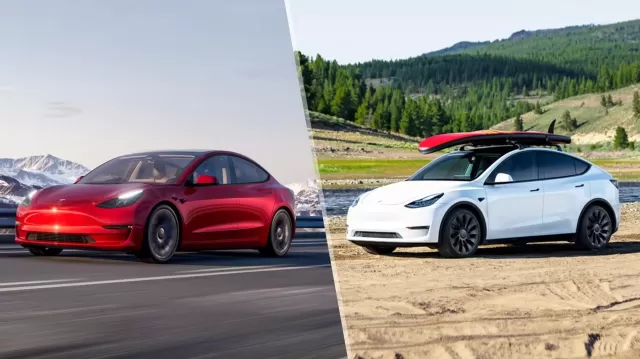
Tesla has expanded its lineup with more affordable versions of the Model 3 sedan and Model Y SUV. These "Standard" trims offer a lower entry point, but what exactly has been adjusted to achieve these reduced prices?
Performance and Range
Both the Model 3 and Model Y Standard models prioritize affordability. This means some compromises in performance. These versions are rear-wheel drive (RWD) only, translating to less range and slower acceleration than their premium counterparts.
- Model 3 Standard: Expect approximately 321 miles of range from its smaller 69.5-kWh battery pack. The 0-to-60 mph acceleration is estimated at 5.8 seconds.
- Model Y Standard: It will offer around 321 miles of range, while its 0-to-60 mph time clocks in at approximately 6.8 seconds, with around 300 horsepower.
- Charging: Expect slower charging speeds (225 kW) compared to the premium models (250 kW)
Both models are limited to a top speed of 125 mph.
Exterior Enhancements (Or Lack Thereof)
Visually, the Model Y Standard receives more noticeable changes than the Model 3.
- Model Y Standard: The most significant change is the deletion of the light bars that connect the headlights and taillights.
- Model 3 Standard: There are no light bars, but it features distinct, more closed-off 18-inch Prismata wheels.
- Tires: Both models come standard with 18-inch Hankook Ion Evo tires, aimed at maximizing efficiency, potentially trading off some grip. 19-inch wheels are available as an upgrade for the Model Y.
- Mirrors and Lights: Manual adjustments are implemented for exterior mirrors. The headlights are automatic high-beam LED units but lack adaptive functionality.
Both models have a Stealth Gray base color; Pearl White and Diamond Black are available for an added fee.
Interior Adjustments
The interiors of the Standard trims also see some alterations.
- Seating: Perforated vegan leather is replaced with textile inserts, but the remaining surfaces still use microsuede materials.
- Lighting: The ambient interior lighting found in higher-end models is omitted, but footwell and door pocket lighting are retained.
- Steering and Seats: Manual steering column adjustments are introduced. Front seats retain power adjustability and heating.
- Rear Seats: Manual folding rear seats and headrests can be found on the Model Y Standard.
- Glass Roof (Model Y): Tesla has retained the glass roof but covered it with a conventional headliner.
- Rear Screen and Ventilation (Model Y): The rear passenger screen and "air wave" ventilation have been replaced with USB-C ports and manual vents.
- Center Console (Model Y): The center console has been redesigned to resemble the Cybertruck.
- Audio: A seven-speaker audio system replaces the premium 15-speaker system. FM radio connectivity is also not included.
- Model 3 Center Console: retains design from other Model 3's. However, exposed front cup holders can be found on the Standard trim.
While Autopilot isn't a standard feature, adaptive cruise control comes included. You can still opt for the Full Self-Driving (FSD) package.
Are They Worth It?
The Standard trims offer the lowest possible price point for a new Tesla Model 3 or Y. However, prospective buyers may also consider the used market. The question remains: will consumers gravitate toward the allure of a brand-new, budget-friendly Tesla, or will the value proposition of slightly used models with more features prove to be more enticing?